We do everything in our power to avoid delays in the first place
Sometimes they’re unavoidable and out of our hands. When they do happen, we promise we’ll keep you informed with clear, useful and up-to-date information.
 English
 Cymraeg
 中国简化
中国简化 Français
 Nederlands
 Deutsch
 Italiano
 Español
 Polski
 Português
 Українська
 English

 English Cymraeg 中国简化 Français Nederlands Deutsch Italiano Español Polski Português Українська
 Password reset link sent!

You'll get an email in the next few minutes with a link to reset your password.
If the email doesn't arrive in the next few minutes:
Password reset link sent!
You'll get an email in the next few minutes with a link to reset your password.
If the email doesn't arrive in the next few minutes:


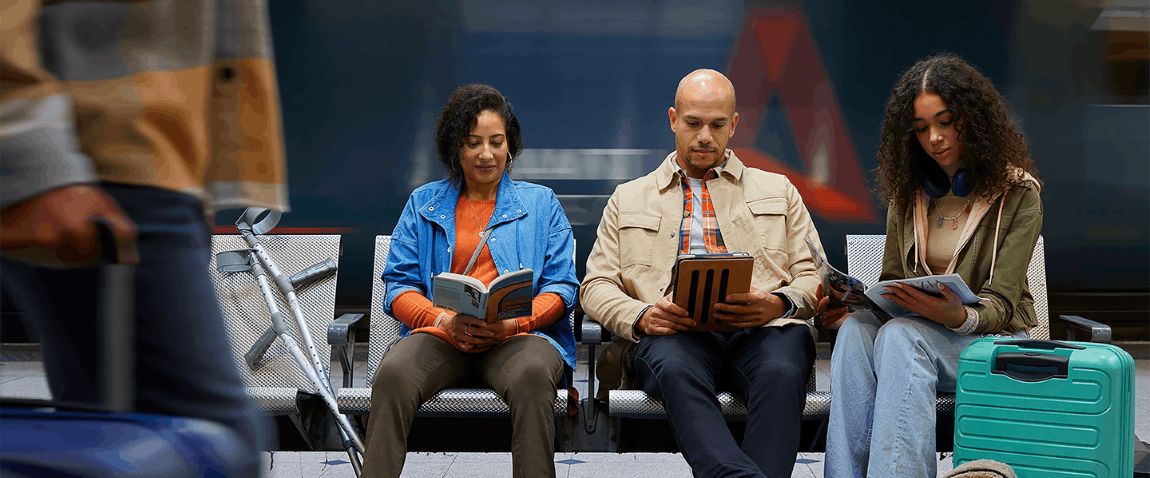
Track live trains and find all the travel information you need, even during disruption.
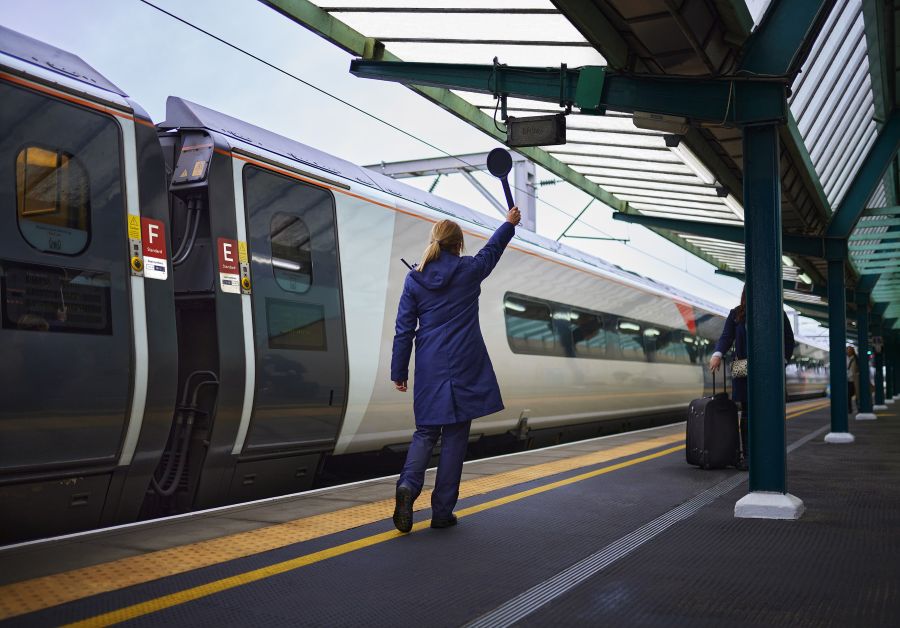
Sometimes they’re unavoidable and out of our hands. When they do happen, we promise we’ll keep you informed with clear, useful and up-to-date information.
We work closely with industry partners, including Network Rail, who own the tracks and signals. They can take immediate action to fix the cause of the problem, and we’ll make sure that you’re compensated for the time lost on your journey.
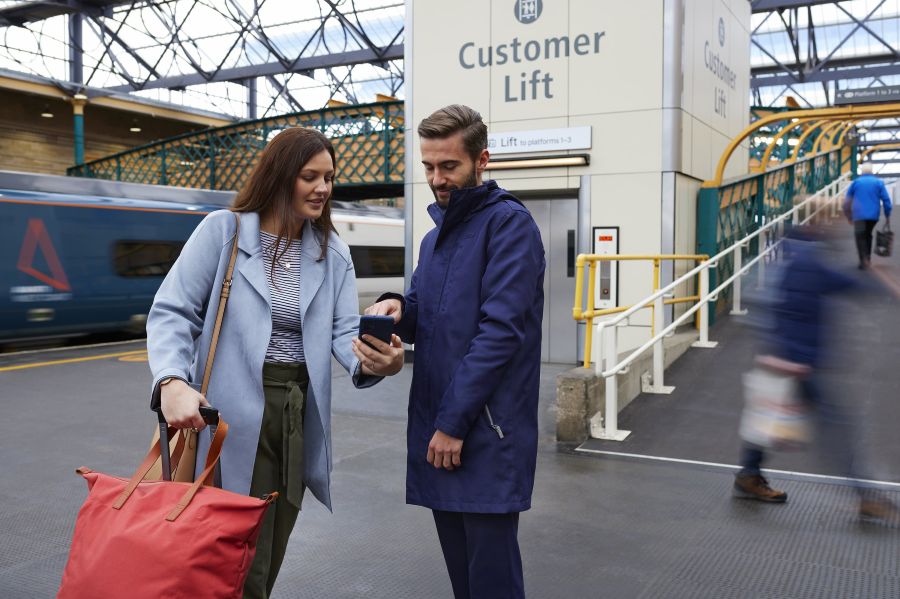
The UK's rail network is extremely busy, particularly on the busiest lines at peak times. And sometimes, things happening out of the ordinary can lead to delays.
There are many reasons delays might happen, from equipment faults to events beyond our control such as: extreme weather, vehicles hitting bridges, passengers being taken ill and people trespassing on the line. These reports can come from many different sources: maintenance teams, our train crew, our station teams, members of the public or from remote monitoring systems installed across the network by Network Rail.
If there's an incident, we work with our industry partners to assess what the knock-on effect is for our train services and, in turn, how it affects our customers. If delays are expected, we appoint a lead person in our control centre to manage the incident. Sometimes it might not be clear what's happened - for example if the report comes from a train whizzing past at 125mph - so we may have to wait until a member of Network Rail staff is able to visit the site.
If it's likely to have a severe impact, we have a range of communication protocols to keep you updated across our digital channels, at stations and onboard our trains. Our key message includes the following information:
Working with our industry partners, we then work to fix the problem through a key milestone plan. Following this, we'll update everyone across our customer communications.
In partnership with Network Rail and the Rail Delivery Group, we have agreed to a set of Customer Information Pledges. Through these Customer Information Pledges, we will:
As we continue to deliver on our Customer Information Pledges, you can download our latest progress report to read about the work we've done and our plans for the future.
If there’s major disruption on our network, our maps can help you find an alternative route for your journey. Be sure to talk to one of our staff to find out what route your ticket is valid on.